

Exposure to the global reserve currency
Building wealth in hard currency. Generating cash yield and capital appreciation in U.S. dollars for investors seeking to decouple their portfolios from single-country sovereign and currency risks.
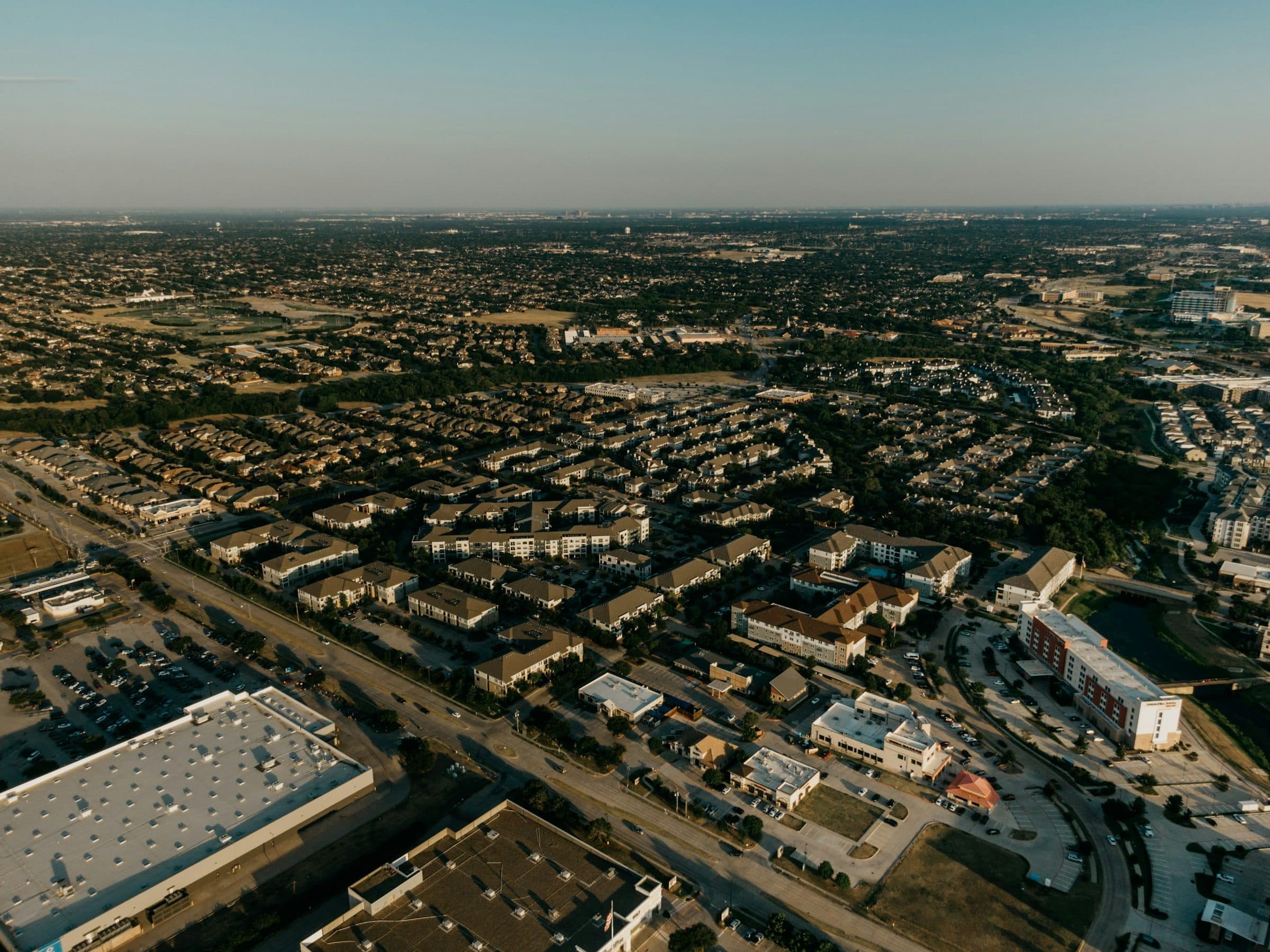
United States
Strategic allocation in the U.S. real estate market, focused on capital preservation and hard-currency returns. We offer Brazilian investors an efficient international diversification strategy, combining risk mitigation with dollar-denominated wealth expansion.
01Why dollars
Building wealth in hard currency. Generating cash yield and capital appreciation in U.S. dollars for investors seeking to decouple their portfolios from single-country sovereign and currency risks.
Tangible real estate assets uncorrelated with public market volatility and the Brazilian economic cycle, bringing structural resilience and long-term stability to the portfolio.
Cross-border corporate and legal frameworks validated by top-tier legal independent counsel, designed for net return preservation, tax deferral, and efficient wealth and succession planning.
02Where in the United States
We focus on locations with an excellent quality of life: education, safety, good jobs, a balanced cost of living, and access to sports and leisure. And we focus on low-tax states, which drives the local property market and lowers the tax bill for our investors.
03A deep market
The Brazilian property market is shallow: few transactions, and when the economy stalls, owners hold their assets and the market grows scarcer still. The American market is deep and its cycles are shorter: it recovers much faster.
Depth is liquidity. It is the difference between an asset sold at the right moment and an asset stuck waiting for a market with no established cycles to come back.
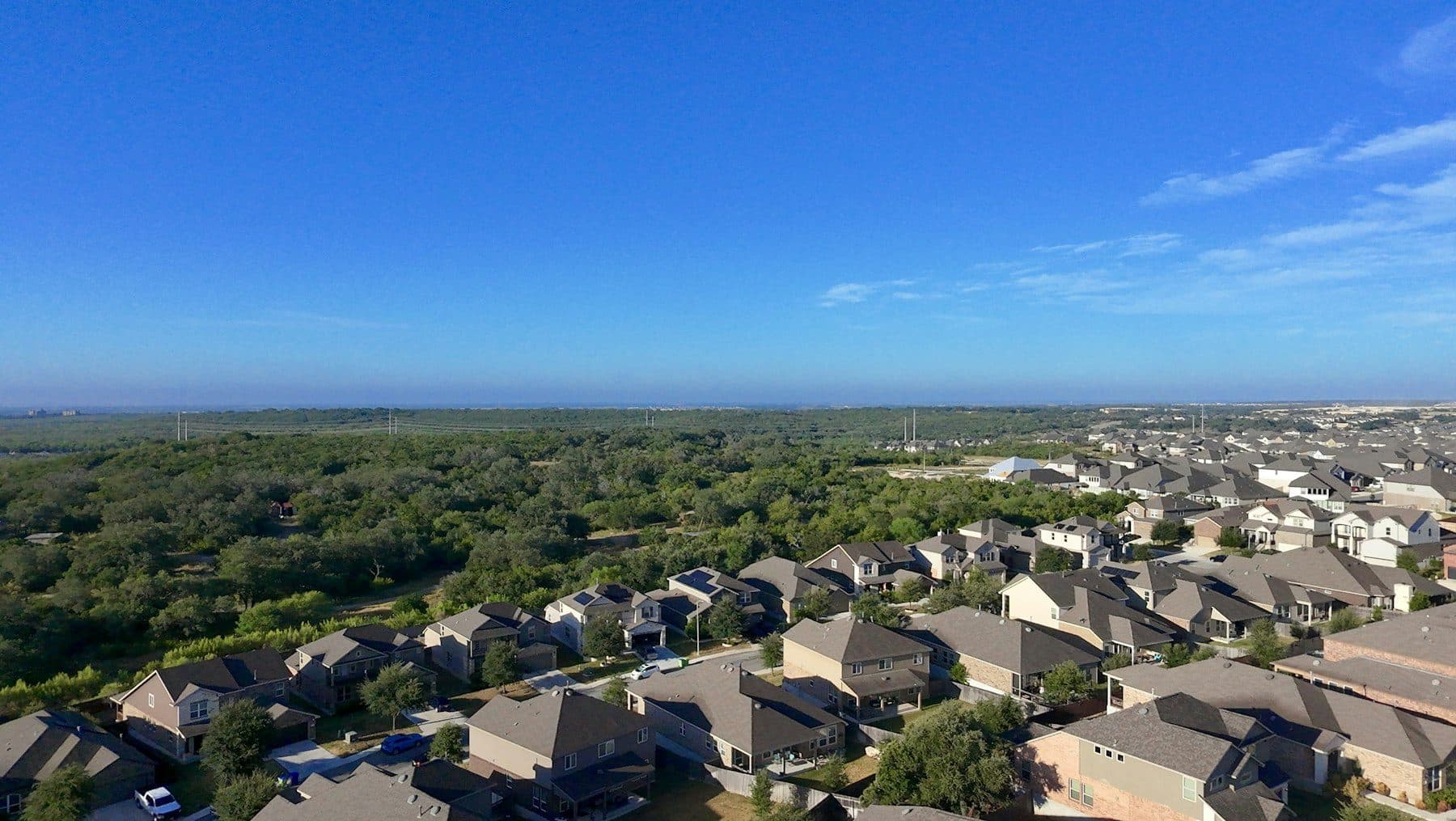
The American residential market
04What drives the return
Direct access to bilateral transactions ahead of widely brokered public listings, locking in favorable entry valuations and structural margin protection.
Conservative financial modeling paired with exhaustive technical, legal, and environmental due diligence meeting the highest U.S. compliance standards.
Hands-on management and local execution alongside top-tier U.S. operators, ensuring strict day-to-day discipline over budgets, schedules, and asset stabilization.
Strategic disposition timed to U.S. market liquidity windows, optimizing dollar-denominated risk-adjusted returns and enabling efficient capital redeployment.
05What we invest in there
Our American platform is focused on single-family and multifamily in Texas, North Carolina, Oklahoma and Nevada. We also keep a logistics and industrial pipeline yet to be executed. We watch these markets constantly, with plenty of discipline, and build local partnerships that guarantee execution.
Detailed feasibility analyses, projected returns, and investment memorandums are presented exclusively to strategic partners and qualified investors seeking capital allocation and wealth expansion in the United States.

United States
Keep reading